Jewelry holds immense sentimental and financial value, making Jewelry Repairs an essential service for anyone who owns precious pieces. Over time, even the most carefully worn jewelry can suffer damage, from broken chains to loose gemstones. Understanding the most common types of Jewelry Repairs and how they’re performed can help you maintain your treasured items and ensure they last for generations.
Chain and Clasp Repairs
One of the most frequent requests in Jewelry Repairs involves broken chains or faulty clasps. Chains can break due to wear and tear, accidental tugging, or weak links, while clasps may loosen or fail entirely. Jewelers performing Jewelry Repairs will typically solder broken links or replace the clasp entirely. Modern techniques allow for seamless repairs that restore the chain’s strength without compromising its appearance. Whether it’s a delicate gold chain or a sturdy silver necklace, professional Jewelry Repairs can make your piece as good as new.
Ring Resizing
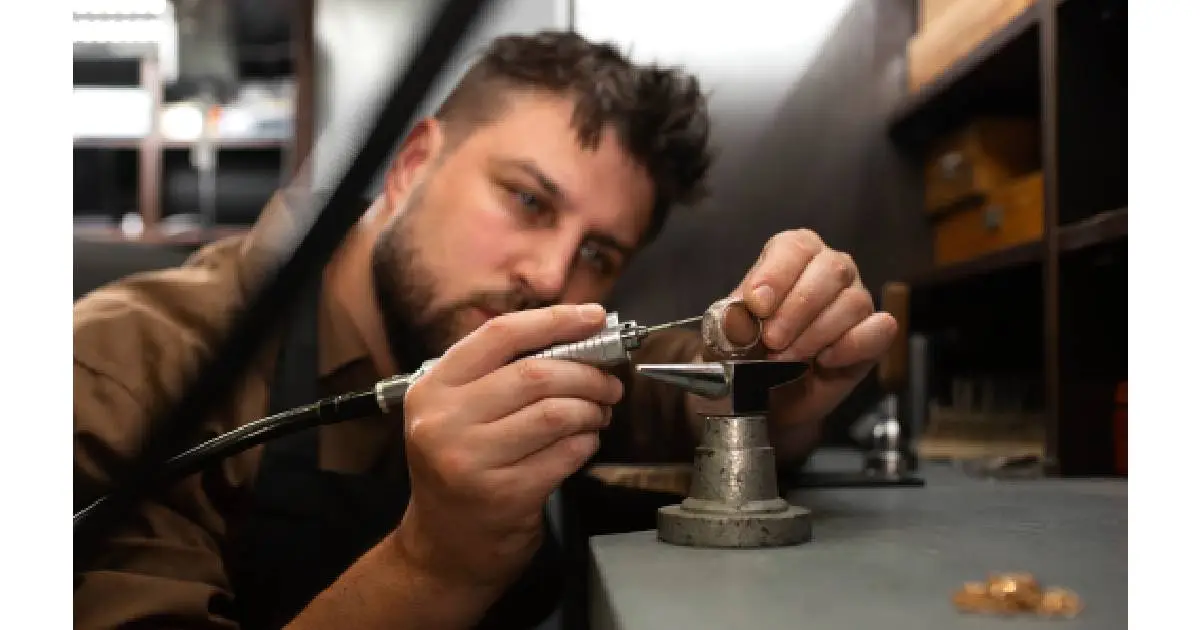
Rings often require resizing due to changes in finger size or to fit multiple rings comfortably. Ring resizing is one of the most common forms of Jewelry Repairs. A jeweler will cut the ring, either removing or adding metal, and then solder it back together. After soldering, the ring is polished and cleaned to ensure the resize is virtually invisible. Advanced Jewelry Repairs may also involve reinforcing the band for durability, especially for rings with intricate designs or gemstones.
Stone Setting and Replacement
Loose or missing stones are a major concern for jewelry owners and are frequently addressed through Jewelry Repairs. Stones can loosen due to everyday wear, accidental knocks, or poor initial setting. During Jewelry Repairs, a jeweler will inspect the setting, tighten prongs, or replace missing stones. High-quality Jewelry Repairs ensure that the gemstone is securely held in place, restoring the piece’s original beauty and preventing further loss. Some repairs may also involve resetting stones to enhance the overall design or stability of the piece.
Clarity and Surface Polishing
Scratches, dullness, and tarnish are common issues in jewelry, especially in rings, bracelets, and earrings that see daily use. Surface polishing and cleaning are routine Jewelry Repairs that can restore the shine and luster of metals like gold, silver, and platinum. Jewelers use specialized polishing wheels and compounds to remove scratches and oxidation. Comprehensive Jewelry Repairs may also include ultrasonic cleaning and steam treatments to remove dirt and oils, giving the jewelry a refreshed appearance.
Chain Soldering and Link Repairs
Chains and bracelets can develop weak points or broken links over time, necessitating precise Jewelry Repairs. Jewelers performing these repairs often use soldering techniques to reconnect broken links or reinforce weak areas. Depending on the metal and style, these Jewelry Repairs may require heat treatment to ensure the solder blends seamlessly. Properly executed chain repairs not only restore the functionality but also maintain the piece’s aesthetic appeal.
Engraving and Custom Adjustments
Engraving or personalization is a unique type of jewelry repair that enhances sentimental value. Over time, engraved messages can fade or require adjustments when resizing or repairing the piece. Skilled jewelers performing Jewelry Repairs can re-engrave worn inscriptions or modify designs without affecting the jewelry’s structure. Custom adjustments, such as reshaping rings or modifying pendants, also fall under Jewelry Repairs, providing both functional and aesthetic improvements.
Prong and Claw Reinforcement
Prongs and claws holding gemstones are prone to bending, breaking, or loosening, making prong reinforcement one of the most critical Jewelry Repairs. Jewelers carefully examine each prong and, if necessary, tighten or replace them to secure the stones. Quality Jewelry Repairs ensures that gemstones are safe from falling out and that the piece retains its original elegance. This process is delicate, as it involves working closely with tiny metal components without damaging the stone.
Pearl and Bead Restringing
Pearl necklaces and bead bracelets require periodic maintenance due to the fragility of the stringing materials. Pearl and bead restringing is a specialized form of Jewelry Repairs that involves carefully restringing the jewelry using durable threads or wires. Jewelers performing these Jewelry Repairs often add knots between pearls or beads to prevent them from rubbing against each other and to reduce the risk of losing multiple pieces if the string breaks. This repair extends the life of delicate jewelry while preserving its beauty.
Watch and Timepiece Repairs
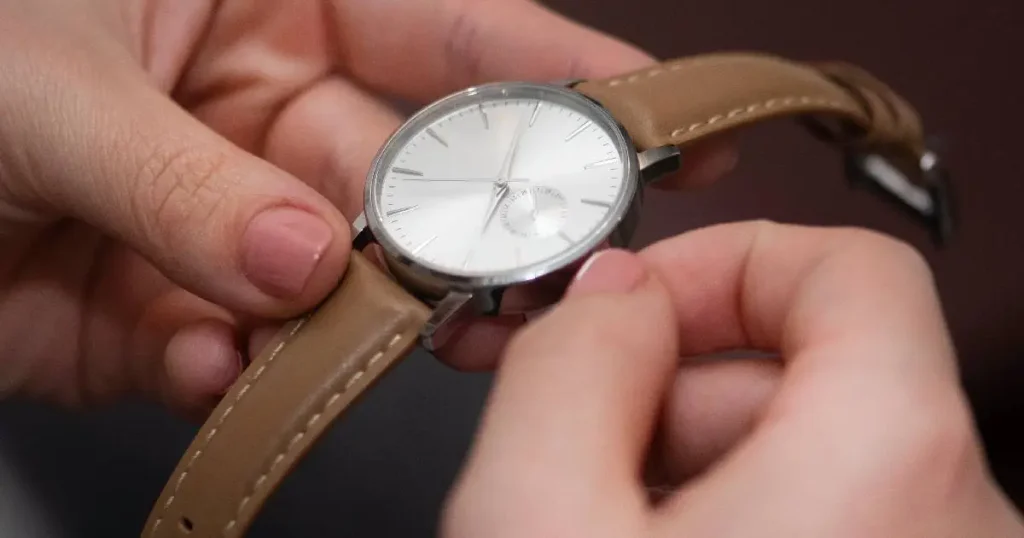
Watches and timepieces are intricate jewelry items that often need repairs to maintain functionality. Watch repairs are considered part of Jewelry Repairs and may involve battery replacement, strap adjustments, or fixing mechanical movements. Skilled jewelers performing these Jewelry Repairs ensure the watch keeps accurate time while preserving its aesthetic quality. Advanced repairs may also include polishing the case and replacing worn parts to restore the watch to near-original condition.
Antique and Heirloom Restoration
Antique and heirloom jewelry often requires specialized Jewelry Repairs due to age-related wear, fragile settings, or historical craftsmanship. Jewelers performing these repairs must balance restoration with preservation, ensuring the piece maintains its vintage charm. Techniques in Jewelry Repairs for antiques may include careful soldering, gemstone replacement with period-appropriate stones, and metal stabilization. Professional restoration can revive heirlooms, making them safe to wear and preserving family history.
Custom Jewelry Repairs
Sometimes, standard repairs are not enough, and jewelry requires custom Jewelry Repairs tailored to the piece’s design and material. Custom repairs can include redesigning a damaged piece, reinforcing unusual settings, or integrating modern techniques for durability. Jewelers performing custom Jewelry Repairs combine craftsmanship with creativity to ensure the repaired jewelry is both functional and visually appealing. This approach ensures that even heavily damaged items can be transformed into wearable, cherished pieces.
Tips for Maintaining Jewelry After Repairs
After completing Jewelry Repairs, proper care is crucial to extend the life of your pieces. Avoid exposure to harsh chemicals, store jewelry in protective cases, and schedule regular inspections with a professional jeweler. Understanding how Jewelry Repairs were done on your piece can also guide you in handling it carefully. Regular maintenance and timely repairs prevent minor issues from becoming major problems, ensuring that your jewelry retains its beauty and structural integrity for years.
In conclusion, Jewelry Repairs covers a wide range of services, from chain and clasp fixes to intricate antique restoration. Knowing the most common types of Jewelry Repairs and how they’re performed helps jewelry owners make informed decisions about care and maintenance. Whether it’s a simple polish, a stone reset, or a custom restoration, professional Jewelry Repairs restore functionality, preserve sentimental value, and extend the life of your treasured pieces. Contact us today for expert jewelry appraisal services.