Jewelry often holds more than just monetary value—it carries memories, milestones, and emotions. Whether you’re seeking insurance coverage, planning to sell, or simply curious about your treasure’s worth, a jewelry appraisal is an essential step. But before you hand over your precious items, it’s important to understand what to ask to ensure you get an accurate and professional valuation. Here are the top questions to ask during a jewelry appraisal to make the most informed decision possible.
1. What Type of Jewelry Appraisal Do I Need?
Not all appraisals serve the same purpose, so the first step is identifying what kind of jewelry appraisal you actually need. Some appraisals are meant for insurance replacement, others for resale value, and some for estate or tax purposes. Asking your appraiser about the type of appraisal ensures you receive a report tailored to your goals. For instance, an insurance jewelry appraisal typically provides a replacement value—what it would cost to buy a similar item today—while a resale appraisal focuses on the current market value. This clarity prevents misunderstandings and ensures you’re not overpaying or underinsuring your jewelry.
2. What Are Your Qualifications and Certifications?
Always verify the credentials of the person performing your jewelry appraisal. Ask if they are certified by reputable organizations such as the Gemological Institute of America (GIA), American Gem Society (AGS), or the National Association of Jewelry Appraisers (NAJA). Certified appraisers follow strict professional standards and ethical guidelines, ensuring your jewelry appraisal is both accurate and unbiased. A qualified appraiser should also have gemological training and hands-on experience identifying precious stones and metals. This question helps you gauge their expertise and avoid inexperienced or unqualified evaluators.
3. How Is the Jewelry Appraisal Conducted?
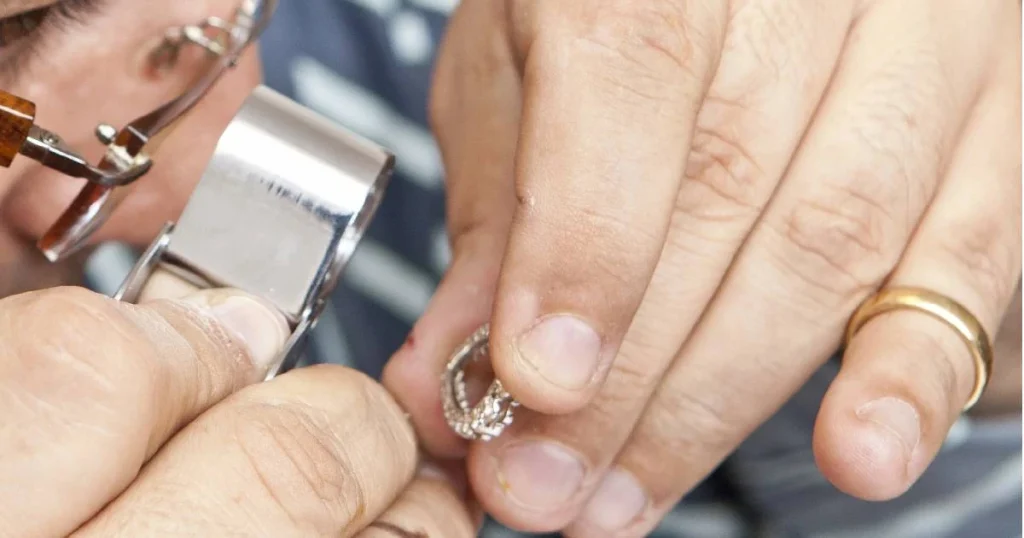
Understanding how the jewelry appraisal process works helps you know what to expect and ensures transparency. Ask the appraiser whether they perform the appraisal in your presence or take the jewelry to an off-site lab. Ideally, a trustworthy appraiser will evaluate your jewelry right in front of you using tools like microscopes, diamond testers, and scales. They’ll examine the metal purity, gemstone authenticity, cut, color, clarity, and craftsmanship. Knowing how your jewelry appraisal is conducted builds confidence and reduces the risk of mix-ups or damage during the process.
4. What Details Will Be Included in the Jewelry Appraisal Report?
A thorough jewelry appraisal report should go beyond just stating a value. It should include detailed descriptions of your piece—such as gemstone weight, color, cut, metal type, and craftsmanship details—along with clear photographs. Ask whether the report includes a breakdown of how the appraiser arrived at the value and whether it complies with standards like USPAP (Uniform Standards of Professional Appraisal Practice). A well-documented jewelry appraisal report is not only valuable for insurance or resale purposes but also serves as a permanent record of your piece’s characteristics and authenticity.
5. How Often Should I Update My Jewelry Appraisal?
Many people assume that a jewelry appraisal is a one-time process, but market values fluctuate over time. Gold prices, gemstone demand, and fashion trends can all influence your jewelry’s value. Asking your appraiser how often you should update your report is crucial. Most experts recommend getting a new jewelry appraisal every two to five years. This ensures your insurance coverage remains accurate and your jewelry’s current market value is properly reflected. Keeping your appraisals up to date can save you from being underinsured or overpaying premiums.
6. How Do You Determine the Value of My Jewelry?
A trustworthy appraiser will be transparent about how they calculate your jewelry appraisal value. Ask what market sources, reference materials, and grading systems they use. Typically, the appraiser will consider factors like gemstone grading (using GIA standards), metal purity, brand reputation, craftsmanship, and recent market prices. Some may even use comparable sales data to support their findings. By understanding how your jewelry appraisal value is determined, you can better interpret the report and feel confident that the valuation is based on solid, objective criteria.
7. Is the Jewelry Appraisal Fee Based on Value or Time?
Before proceeding, clarify how the jewelry appraisal fee is structured. Ethical appraisers charge based on time or complexity—not a percentage of the jewelry’s value—to avoid any conflict of interest. Asking this question helps you ensure the appraiser is unbiased and won’t inflate the value to increase their fee. Always request a written estimate before the appraisal begins. A transparent pricing structure adds credibility to your jewelry appraisal and gives you peace of mind that you’re dealing with a professional.
8. Will You Provide Photographs of the Jewelry?
High-quality images are an essential part of a comprehensive jewelry appraisal report. These photos serve as visual proof of your item’s condition and details at the time of appraisal. Ask if the appraiser includes macro images that capture gemstone inclusions. In case of theft, loss, or damage, these images are invaluable for identification and insurance claims. Including detailed photographs enhances the reliability and completeness of your jewelry appraisal documentation.
9. Can I Watch the Appraisal Process?
Transparency builds trust, and a reputable appraiser will typically allow you to observe the jewelry appraisal process. Watching the evaluation ensures your piece never leaves your sight and helps you learn more about its features and craftsmanship. If an appraiser refuses without a valid reason, it may be a red flag. Many professional gemologists actually welcome client participation, as it allows them to explain the tools and methods used during the jewelry appraisal. This question not only adds reassurance but also turns the process into an educational experience.
10. Is the Appraisal Recognized by My Insurance Company?
When seeking insurance coverage, it’s crucial to confirm that your jewelry appraisal will be accepted by your insurer. Some insurance companies have specific standards or prefer reports from certified appraisers only. Asking this question ensures you won’t face issues when filing a claim or renewing your policy. A compliant jewelry appraisal must include detailed descriptions, photos, and an estimated replacement value. Verifying this upfront prevents delays or disputes later if you need to replace or repair your jewelry after a loss.
11. What Happens If I Disagree with the Appraised Value?
Sometimes, your expectations may differ from the results of the jewelry appraisal. In such cases, it’s important to ask about the appraiser’s policy on disputes or re-evaluations. A professional appraiser will be open to explaining their methodology and supporting evidence. If you still disagree, you can seek a second jewelry appraisal from another certified expert for comparison. Open communication and documentation transparency are key to resolving such differences amicably and professionally.
12. How Can I Maintain or Protect the Value of My Jewelry?
A good jewelry appraisal doesn’t just assign value—it also provides guidance on preserving it. Ask your appraiser about proper cleaning methods, storage conditions, and handling tips for your specific pieces. Certain gemstones and metals require different levels of care. Your jewelry appraisal expert can advise you on avoiding damage that might affect future valuations. Regular maintenance and periodic reappraisals ensure your jewelry maintains its brilliance and market value over time.
Empower Yourself with the Right Questions
Asking the right questions during a jewelry appraisal is the key to safeguarding your valuables and ensuring fair treatment. From verifying credentials to understanding valuation methods, each question helps you gain transparency and confidence in the process. Remember, a jewelry appraisal is more than a price tag—it’s a professional evaluation that preserves the story, authenticity, and value of your precious items. Whether for insurance, resale, or personal knowledge, choosing the right appraiser and asking these essential questions will help you make informed decisions and protect what matters most.