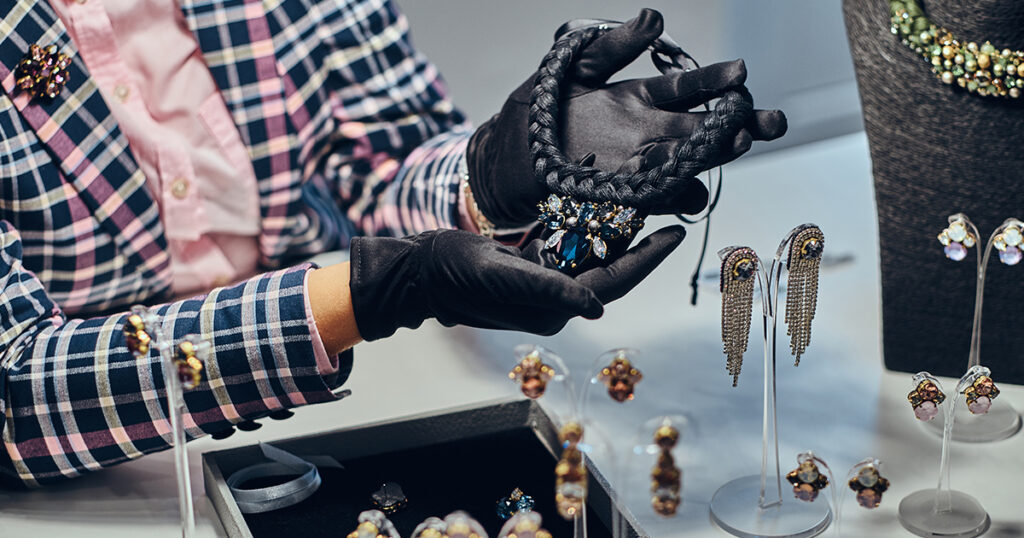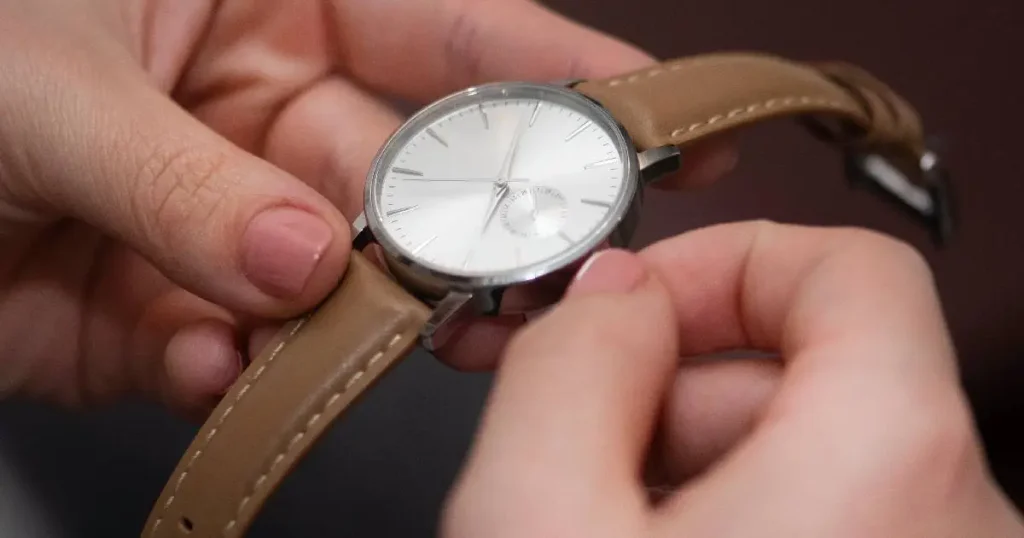
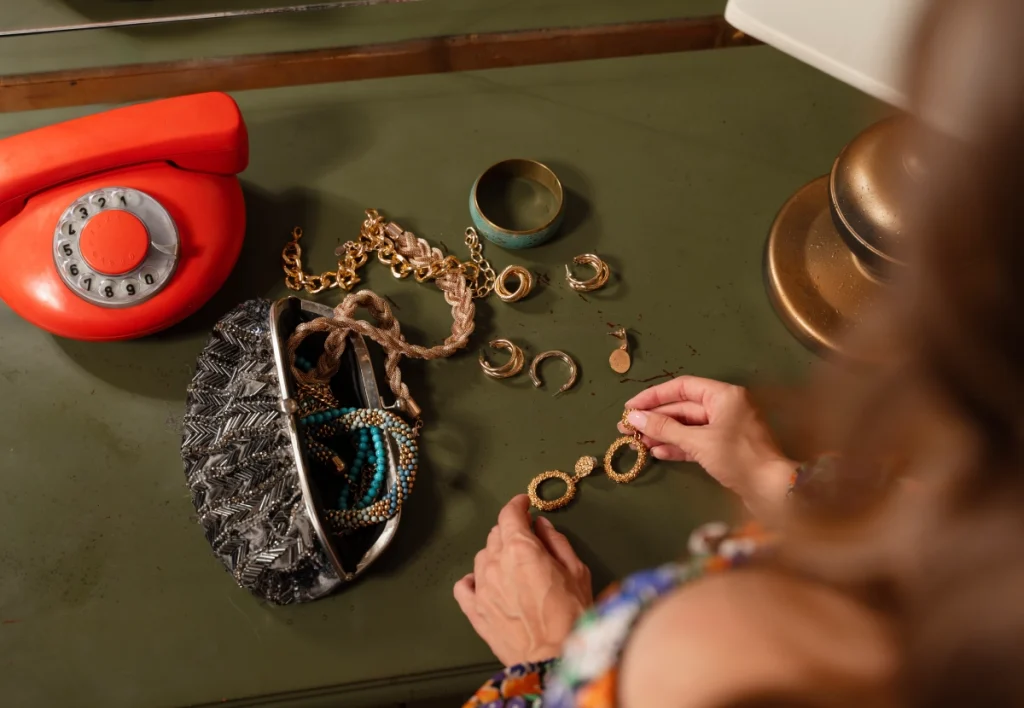
Antique jewelry isn’t just an accessory—it’s a combination of history, craftsmanship, rarity, and emotional value. Whether you’re planning to sell, insure, divide assets, or simply understand what you own, getting an accurate antique jewelry appraisal is essential.
But here’s the reality:
The value of antique jewelry can vary dramatically depending on several key factors.
In this guide, you’ll learn exactly what influences appraisal value, explained in both expert and simple terms—so you can make informed decisions.
1. Age & Historical Significance
What Experts Look At
Jewelry is typically considered antique if it is over 100 years old. Pieces from specific eras (Victorian, Edwardian, and Art Deco) often carry higher value due to historical importance.
Simple Explanation
Older jewelry = usually more valuable (but only if it’s rare or well-preserved)
Example
A 1920s Art Deco diamond ring may be worth more than a modern ring—even if both have similar diamonds—because of its era and design history.
2. Rarity & Uniqueness
What Experts Look At
Limited production pieces, handmade designs, or discontinued styles significantly increase value.
Simple Explanation
The harder it is to find, the more it’s worth.
Example
A one-of-a-kind handcrafted brooch will usually be worth more than a mass-produced vintage piece.
3. Condition & Preservation
What Experts Look At
- Scratches
- Missing stones
- Repairs or alterations
Original condition often commands the highest value.
Simple Explanation
Better condition = higher price
Example
Two identical antique rings:
- One untouched → Higher value
- One heavily repaired → Lower value
4. Materials & Gemstones
What Experts Look At
- Gold purity (e.g., 18K, 22K)
- Diamond quality (cut, clarity, color, carat)
- Precious gemstones (ruby, emerald, sapphire)
Simple Explanation
Better materials = more valuable jewelry
Example
Antique jewelry with natural diamonds will be worth far more than one with synthetic stones.
5. Craftsmanship & Design
What Experts Look At
Handcrafted detailing, engraving, filigree work, and artistic complexity.
Simple Explanation
More detailed work = more value
Example
Handmade filigree earrings from the Edwardian era can be significantly more valuable than simple machine-made jewelry.
6. Brand or Maker
What Experts Look At
Jewelry from well-known designers or houses often carries premium value.
Simple Explanation
Famous maker = higher price
Example
A signed antique piece from a recognized jeweler can sell for 2–5x more than an unsigned piece.
7. Provenance (History of Ownership)
What Experts Look At
Documentation showing previous ownership, especially if linked to notable individuals.
Simple Explanation
A strong story/history = more value
Example
A bracelet once owned by a royal family or celebrity can significantly increase in value.
8. Market Demand & Trends
What Experts Look At
Current buyer demand, fashion trends, and collector interest.
Simple Explanation
If people want it now, it’s worth more
Example
Art Deco jewelry has seen rising demand in recent years, increasing its appraisal value.
9.Certification & Documentation
What Experts Look At
Gemstone certificates, authenticity proof, and prior appraisals.
Simple Explanation
Proper documents = higher trust = higher value
10. Purpose of Appraisal
What Experts Look At
Different appraisal types give different values:
- Insurance value (higher)
- Resale value (market realistic)
- Auction value (demand-driven)
Simple Explanation
Value depends on why you need the appraisal
Real-Life Example (Easy to Understand)
Case Study
A family brings an antique diamond ring to Solomon Gold for appraisal.
Details:
- 1925 Art Deco ring
- Natural diamond (1.5 carat)
- Excellent condition
- Handmade design
Why Choose Solomon Gold for Antique Jewelry Appraisal
- Expert evaluation based on market trends
- Transparent and accurate valuation
- Trusted by collectors, families, and professionals
- Detailed appraisal reports for insurance, resale, or legal use
FAQs – Antique Jewelry Appraisal Value
How much does antique jewelry appraisal cost?
Costs vary depending on the piece and complexity, but professional appraisals ensure accurate valuation.
How often should I get jewelry appraised?
Every 2–3 years, especially for insurance purposes.
Can antique jewelry increase in value?
Yes. Rare pieces with strong demand can appreciate over time.
Is old jewelry always valuable?
No. Age alone doesn’t guarantee value—condition, rarity, and materials matter more
What is the difference between appraisal value and resale value?
- Appraisal value = Estimated worth (often higher)
- Resale value = Actual selling price (market-driven)
Should I clean my jewelry before appraisal?
Light cleaning is fine, but avoid altering or repairing it before professional evaluation.
Can I sell jewelry immediately after appraisal?
Yes, and a professional appraisal helps you negotiate better pricing.
Final Thoughts
Understanding the top factors that affect antique jewelry appraisal value helps you make smarter financial decisions—whether you’re buying, selling, insuring, or inheriting.
If you want a precise and trustworthy valuation, working with experts like Solomon Gold ensures you don’t leave money on the table.