Custom jewelry isn’t just a fashion statement – it’s a deeply personal investment. Whether handcrafted to commemorate a special milestone or passed down as a family heirloom, these pieces are priceless. However, like anything worn regularly, even the finest custom-made jewelry is susceptible to wear and tear. That’s where custom jewelry repair becomes essential.
In this guide, we’ll explore the ins and outs of jewelry repair – what it involves, why it matters, and how to prevent damage in the first place. Whether you’re trying to restore a broken chain, resize a ring, or protect precious stones, this comprehensive guide is here to help.
What Is Custom Jewelry Repair?
Custom jewelry repair refers to the specialized process of restoring and maintaining personalized or one-of-a-kind pieces. Unlike standard jewelry repairs, this work often involves unique materials, designs, and sentimental value – requiring expert craftsmanship and attention to detail.
Professional repair services ensure that your jewelry maintains its original beauty and integrity without compromising the custom design. From minor fixes to full restorations, the goal is to bring your meaningful piece back to life while preserving what makes it special.
Common Custom Jewelry Repair Services Explained
Even with proper care, damage or wear is inevitable over time. Below are some of the most common repair services offered by skilled jewelers –
Replating Worn Metals
Over time, gold, rhodium, or silver plating may dull or fade due to friction and exposure to moisture or chemicals. Replating involves adding a new layer of metal coating to restore the original finish and shine. This is especially important for rings and bracelets, which experience the most contact with skin and surfaces.
Ring Resizing
Whether due to weight changes or receiving a gifted ring, resizing ensures a perfect and comfortable fit. Professional resizing maintains the structural integrity of the piece while adjusting the band to your specifications.
Tightening or Resetting Loose Stones
Stone settings, particularly prongs, can loosen with regular use. If not addressed quickly, this can result in the loss of diamonds or gemstones. Jewelers inspect, tighten, or rebuild the settings to secure stones firmly in place.
Retipping Prongs and Claws
Prongs are tiny metal arms that hold gemstones in place. Over time, they wear down, increasing the risk of losing the stone. Retipping is the process of adding new metal to these prongs, ensuring the gemstone remains secure.
Necklace and Chain Repairs
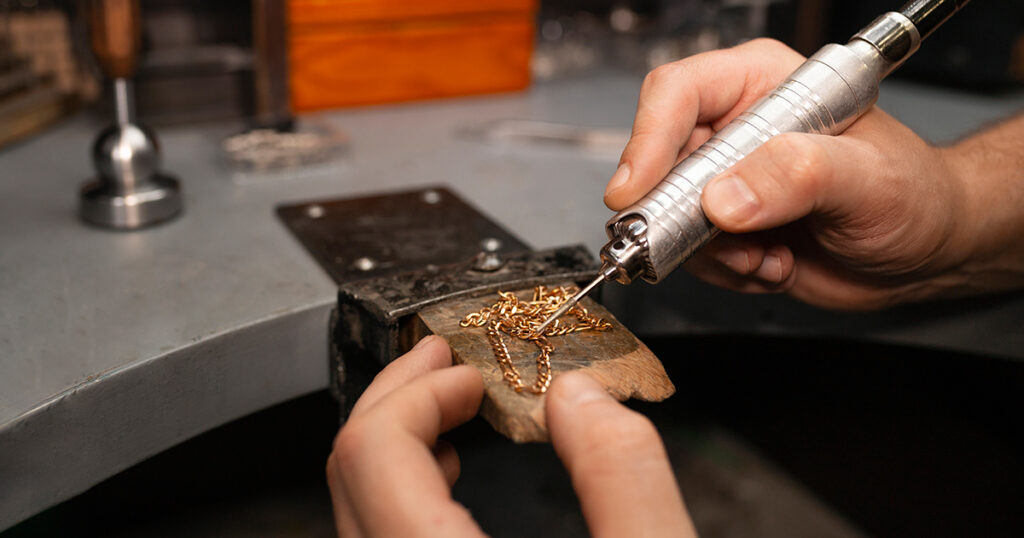
Chains are prone to tangling, breaking, or stretching. Depending on the damage, jewelers can repair or replace links, clasps, and closures to restore functionality and appearance.
Earring Post Replacement & Backing Repair
Earring posts may bend or snap, while butterfly backs can loosen or get lost. These small but vital parts can be easily replaced, making your earrings wearable again.
Professional Cleaning and Polishing
While at-home cleaning kits are available, professional cleaning removes built-up grime more thoroughly and safely, especially around settings and small crevices. It enhances the brilliance of gemstones and helps identify any hidden issues early on.
Why Proper Care Can Reduce Repair Costs
While custom jewelry repair services are incredibly effective, prevention is always better than cure. Proper jewelry care not only preserves the look of your jewelry but also prolongs its lifespan and reduces the need for costly repairs.
Jewelry Care Tips for Longevity –
- Clean regularly using a soft cloth or non-abrasive cleaner to remove oils, lotion, sweat, and dust.
- Store properly in padded compartments, separate pouches, or a lined jewelry box to avoid scratching.
- Remove before physical activities like swimming, cleaning, or exercising to protect from chemicals and impact.
- Avoid direct sunlight and humidity, which can tarnish metals and fade certain gemstones.
Inspect regularly to catch minor issues – like bent prongs or worn clasps – before they cause bigger problems.
The Importance of Routine Maintenance
Think of your jewelry like a luxury vehicle – it needs regular checkups to perform and look its best. Routine maintenance helps detect hidden problems such as weak solder joints, invisible cracks in gemstones, or subtle wear in settings.
A full maintenance service typically includes –
- Inspection of prongs, clasps, and settings
- Checking for wear and structural damage
- Tightening loose components
- Repolishing or replating worn metal surfaces
- Ultrasonic and steam cleaning
Scheduling a professional inspection at least once a year can prevent emotional and financial loss – especially when dealing with irreplaceable custom pieces.
Choosing the Right Professional for Custom Jewelry Repair
Not all jewelers specialize in custom jewelry repair. Because custom pieces may include non-standard stones, unique settings, or handmade parts, it’s important to choose a jeweler with –
- Experience in working with custom and vintage designs
- Access to specialized tools and materials
- A solid track record of successful restorations
- Transparent pricing and timelines
- A guarantee or warranty for the repair work
Trust and communication are key – always ask questions and review their portfolio before proceeding.
Protect Your Jewelry, Preserve Your Story
Custom jewelry is more than just an object – it’s a reflection of your life’s most cherished moments. Whether it’s a repaired engagement ring, a restored pendant from your childhood, or a family heirloom brought back to brilliance, custom jewelry repair allows you to preserve those memories.
By staying proactive with care and maintenance, and working with skilled professionals when repairs are needed, your jewelry will remain as meaningful and beautiful tomorrow as it was the day you received it.