A jewelry appraisal is more than just a piece of paper; it’s a detailed document that establishes the value of your precious items. Whether for insurance, estate planning, resale, or simply personal knowledge, a professional jewelry appraisal provides crucial information about your jewelry’s characteristics and worth. However, the “value” referred to in an appraisal isn’t a single, fixed number. Instead, it’s a dynamic figure influenced by numerous factors, and understanding these elements is key to comprehending the nuances of any jewelry appraisal.
One of the primary factors influencing a jewelry appraisal is the purpose of the appraisal itself. The value assigned for insurance replacement will likely differ significantly from a liquidation or fair market value. An insurance appraisal aims to determine the cost of replacing an item with one of comparable kind and quality in the current retail market. This often includes a buffer for market fluctuations and potential complexities in sourcing a replacement. Conversely, an appraisal for a quick sale or liquidation will reflect a wholesale or distressed value, which will be considerably lower. Therefore, always communicate the clear purpose of your jewelry appraisal to the appraiser to ensure the correct valuation methodology is applied.
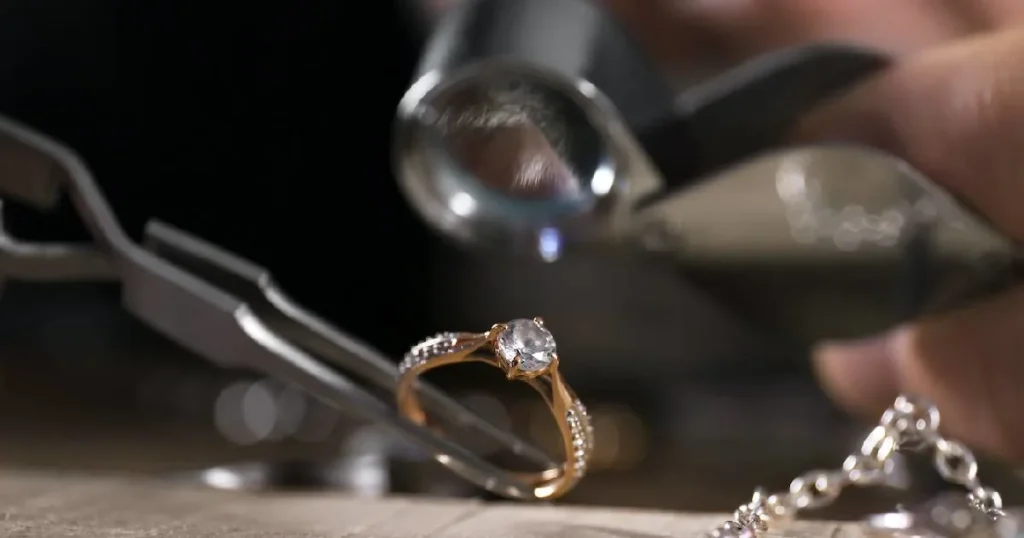
The quality and characteristics of the gemstones are paramount in any jewelry appraisal. For diamonds, the “4Cs” – carat weight, cut, color, and clarity – are the fundamental determinants of value. A larger carat weight generally commands a higher price, but only when accompanied by good cut, color, and clarity grades. An excellent cut maximizes a diamond’s brilliance, while a colorless diamond (D-F) with minimal inclusions (VS1 or better) will be significantly more valuable than one with noticeable yellow tints or visible flaws. For colored gemstones, value is driven by intensity and saturation of color, clarity, origin (some origins, like Burmese rubies or Colombian emeralds, fetch premium prices), and size. A comprehensive jewelry appraisal will meticulously detail these characteristics for each stone.
The type and purity of the metal also play a significant role in a jewelry appraisal. Platinum, 24k gold, 18k gold, and 14k gold each have different market values per gram. Platinum is typically more expensive than gold, and higher karat gold (e.g., 24k) is more valuable than lower karat gold (e.g., 14k) due to its higher precious metal content. The weight of the metal in the piece is also factored in.
Brand recognition and provenance can significantly impact the value reflected in a jewelry appraisal, especially for high-end or antique pieces. Jewelry from renowned houses like Tiffany & Co., Cartier, or Van Cleef & Arpels often carries a premium due to their established reputation for craftsmanship, design, and quality. The brand name itself can add a substantial percentage to the overall value. Similarly, provenance – the documented history of ownership – can elevate an item’s worth. If a piece of jewelry belonged to a historical figure or has a unique story, its historical significance can be a considerable factor in its jewelry appraisal.
Workmanship and design quality are often overlooked but are vital elements in a jewelry appraisal. The intricate details, the precision of the setting, the overall aesthetic appeal, and the complexity of the design all contribute to the intrinsic value of a piece. Hand-fabricated pieces, custom designs, or those exhibiting exceptional artistry will generally appraise for more than mass-produced items. A skilled appraiser will assess the quality of the setting (e.g., pave, bezel, prong), the finish, and the overall structural integrity of the piece. Superior craftsmanship not only enhances beauty but also ensures durability, both of which are considered during a comprehensive jewelry appraisal.
The age and condition of the jewelry are critical considerations for any jewelry appraisal. Antique and vintage pieces, especially those in excellent original condition, can command higher values due to their rarity, historical significance, and unique design elements from specific eras. However, damage, wear and tear, or significant repairs can diminish value. A jewelry appraisal will meticulously document any chips, scratches, worn prongs, or previous restoration work. Sometimes, a piece might require restoration to achieve its full potential value, and this potential for enhancement can also be noted in a thorough jewelry appraisal.
Market conditions and current trends also play a dynamic role in influencing a jewelry appraisal. The value of precious metals and gemstones fluctuates with global economic conditions, supply and demand, and even political stability. For example, during times of economic uncertainty, the value of gold often increases as investors seek safe-haven assets. Fashion trends can also impact the desirability and, consequently, the value of certain styles of jewelry. While a jewelry appraisal provides a snapshot of value at a particular time, it’s important to remember that this value can change as market dynamics evolve. Regular updates to your jewelry appraisal are therefore recommended.
The appraiser’s qualifications and expertise are arguably one of the most fundamental factors influencing the accuracy and reliability of a jewelry appraisal. A qualified appraiser holds recognized certifications (e.g., GIA Graduate Gemologist, AGS Certified Gemologist Appraiser) and possesses extensive experience in valuing a wide range of jewelry. They stay updated on market trends, gemstone treatments, and advanced identification techniques. An unqualified or inexperienced individual may misidentify gemstones, misjudge quality, or apply incorrect valuation methodologies, leading to an inaccurate jewelry appraisal. Always choose an independent appraiser who works on a fee-for-service basis, rather than a percentage of the appraised value, to ensure impartiality in your jewelry appraisal.
Finally, the completeness and clarity of the appraisal document itself reflect on the quality and, by extension, the perceived value of the jewelry appraisal. A well-executed appraisal will include a detailed description of the item, including measurements, weights, and grades of all components, a clear statement of the purpose of the appraisal, the valuation methodology used, photographs of the item, and the appraiser’s credentials and signature. Ambiguous descriptions or missing information can undermine the credibility of the document. A thorough and professional jewelry appraisal provides peace of mind and serves as an invaluable tool for protecting your investment.
In conclusion, understanding the multiple factors that contribute to a jewelry appraisal is essential for anyone owning precious items. From the purpose of the appraisal and the quality of the gemstones to the metal type, brand, workmanship, condition, market forces, and the appraiser’s expertise, each element plays a crucial role in determining the final value. By being aware of these influencing factors, you can better appreciate the intricate process behind a professional jewelry appraisal and ensure that your valuable possessions are accurately assessed and protected.