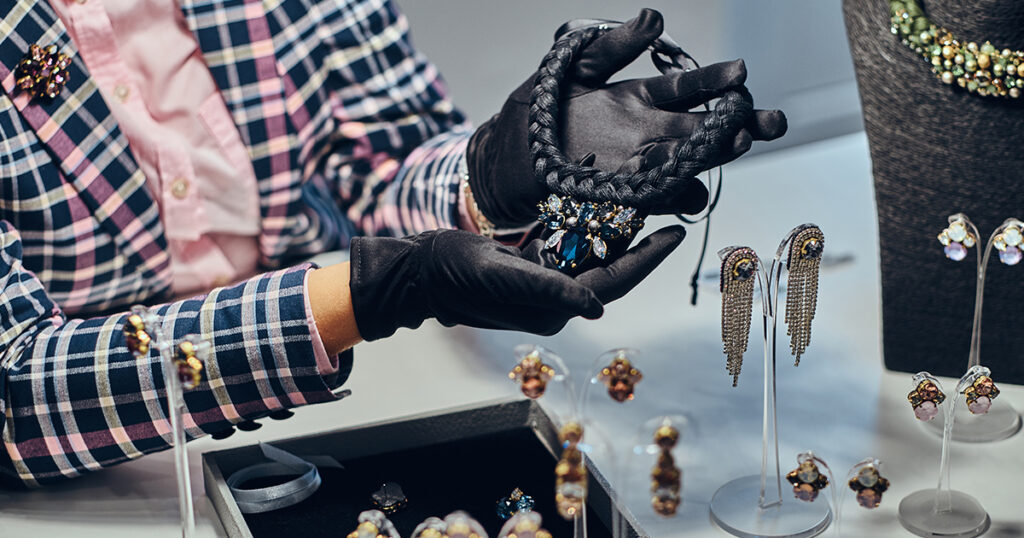
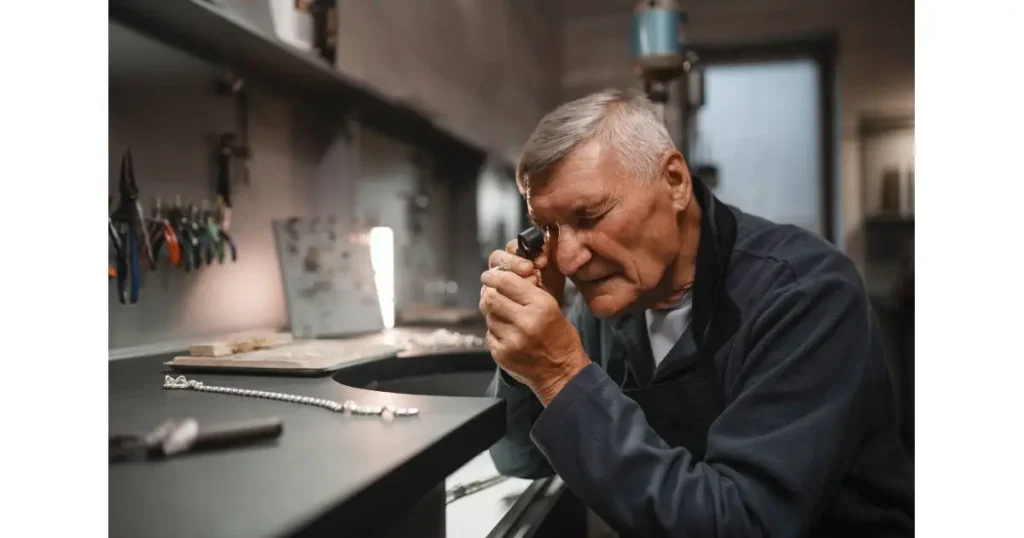
Jewelry holds not only financial value but also emotional significance, making Jewelry Appraisals a crucial process for insurance, resale, or estate planning. However, many people make avoidable mistakes during appraisals that can cost them money, time, and peace of mind. Understanding these common pitfalls can help ensure that your jewelry is accurately evaluated and properly protected.
1. Choosing the Wrong Appraiser
One of the most critical mistakes in Jewelry Appraisals is selecting an appraiser without verifying their credentials. Many individuals rely on convenience or low cost, but this can lead to inaccurate valuations. Certified gemologists or appraisers accredited by recognized organizations, such as the American Gem Society (AGS) or the National Association of Jewelry Appraisers (NAJA), provide trustworthy and professional assessments. Choosing the wrong appraiser may result in undervaluation or overvaluation, impacting insurance claims or resale negotiations.
2. Not Specifying the Purpose of the Appraisal
Failing to clarify the purpose of Jewelry Appraisals is another common error. Appraisals can serve multiple purposes: insurance, resale, estate planning, or legal matters. Each type of appraisal uses different standards and reporting methods. For example, an insurance appraisal requires replacement cost value, while a resale appraisal focuses on market value. Without specifying the purpose, you might receive a report that doesn’t meet your needs, potentially leaving your assets underinsured or inaccurately priced.
3. Relying on Verbal Estimates
Some individuals accept verbal estimates instead of requesting a formal report during Jewelry Appraisals. While verbal opinions may seem convenient, they lack the documentation required by insurance companies or legal authorities. A formal appraisal includes detailed descriptions, photographs, and certified values, providing a reliable record of your jewelry’s worth. Skipping this step can lead to disputes or difficulties during claims or sales.
4. Ignoring the Importance of Documentation
Proper documentation is vital in Jewelry Appraisals. Without detailed records, it is difficult to prove the authenticity, condition, and value of your jewelry. A comprehensive appraisal report includes the type of gemstone, carat weight, cut, color, clarity, metal type, craftsmanship, and photographs. Ignoring documentation can create problems in insurance claims, estate settlements, or resale transactions, potentially resulting in financial loss.
5. Using Outdated Appraisals
Jewelry values fluctuate over time due to changes in market trends, gemstone rarity, and metal prices. One common mistake in Jewelry Appraisals is relying on outdated reports. An appraisal from several years ago may not reflect current market conditions, leaving you underinsured or misinformed about your jewelry’s true value. Experts recommend updating appraisals every two to three years to ensure accuracy and protection.
6. Overlooking Appraisal Costs
Some people avoid professional Jewelry Appraisals because of perceived high costs. While fees vary, cheap or free appraisals can be misleading and unreliable. Investing in a certified and experienced appraiser ensures a precise evaluation that protects your valuable assets. Cutting corners on appraisal costs may save money upfront, but could result in substantial financial losses later.
7. Not Asking About Appraisal Methodology
Understanding how your jewelry is evaluated is essential in Jewelry Appraisals. Different appraisers may use varying methods to determine value, such as replacement cost, retail replacement, or market value. Not asking about the methodology can leave you confused or dissatisfied with the appraisal outcome. Always request a clear explanation of the process and ensure it aligns with your intended purpose, whether it’s insurance coverage or resale preparation.
8. Neglecting to Inspect Appraiser Credentials
Another frequent mistake in Jewelry Appraisals is failing to verify the appraiser’s credentials. Credentials indicate that the professional has undergone formal training, adheres to ethical standards, and has the expertise to assess jewelry accurately. Unqualified individuals may misidentify gemstones, misjudge metal quality, or provide inflated valuations. Confirming certifications such as GIA, AGS, or NAJA can prevent these issues.
9. Not Preparing Jewelry Properly
Proper preparation can affect the outcome of Jewelry Appraisals. Dirty, scratched, or damaged jewelry may be undervalued if presented in poor condition. Cleaning your pieces carefully and ensuring all components, such as clasps and stones, are intact, helps appraisers provide an accurate assessment. Ignoring preparation can lead to undervaluation and potential disputes with insurers or buyers.
10. Forgetting to Include Rare or Custom Pieces
Unique or custom-designed jewelry requires special attention during Jewelry Appraisals. Some individuals overlook intricate details or rare gemstones, which can significantly affect the value. Failing to highlight special features may result in an inaccurate appraisal that does not reflect the true worth of your collection. Ensure all unique characteristics are documented and discussed with your appraiser for precise evaluation.
11. Not Maintaining a Record of Appraisals
Maintaining a record of your Jewelry Appraisals is essential for future reference. Without proper records, it is difficult to track changes in value, update insurance coverage, or provide proof in case of loss or theft. Store appraisal reports securely, preferably in both physical and digital formats, to ensure you have easy access whenever needed.
12. Overlooking Multiple Appraisals for High-Value Pieces
For high-value or rare jewelry, relying on a single appraisal can be risky. Seeking multiple professional opinions during Jewelry Appraisals ensures accuracy and gives you a better understanding of your jewelry’s market value. Different appraisers may notice details or nuances that others miss, providing a more comprehensive evaluation. This is particularly important when dealing with estate planning or high-value insurance policies.
13. Assuming Online or Automated Appraisals Are Sufficient
With the rise of online appraisal tools, some people assume they can replace professional Jewelry Appraisals. While online tools can provide rough estimates, they lack the precision, personal inspection, and documentation required for insurance or legal purposes. Automated systems cannot accurately assess the quality of gemstones, craftsmanship, or unique features. Professional in-person appraisals remain the gold standard for reliable evaluations.
14. Ignoring the Legal and Insurance Implications
Jewelry appraisals are not just about knowing the monetary value; they also have legal and insurance implications. Mistakes during Jewelry Appraisals can leave you underinsured, create legal disputes, or complicate estate settlements. Ensuring that your appraisal meets the standards required by insurers and legal authorities protects you from future financial and legal challenges.
Avoiding common mistakes in Jewelry Appraisals is crucial for accurate valuation, proper insurance, and informed financial decisions. Choosing certified appraisers, updating appraisals regularly, documenting details, and understanding the methodology can prevent costly errors. By preparing your jewelry, highlighting unique features, and maintaining thorough records, you safeguard both the monetary and sentimental value of your collection. Remember, a careful and informed approach to Jewelry Appraisals ensures that your treasured possessions are properly protected and accurately valued for years to come. Contact us today for expert jewelry appraisal services.