The brilliance and emotional value of your jewelry make it more than just an accessory. Whether it is an engagement ring, an heirloom necklace, or a bespoke bracelet, every piece tells a story. However, many owners overlook one crucial aspect of ownership: the jewelry appraisal. Understanding how often to get a jewelry appraisal is essential for maintaining accurate records, ensuring your pieces are properly insured, and safeguarding their true worth.
What a Jewelry Appraisal Really Means
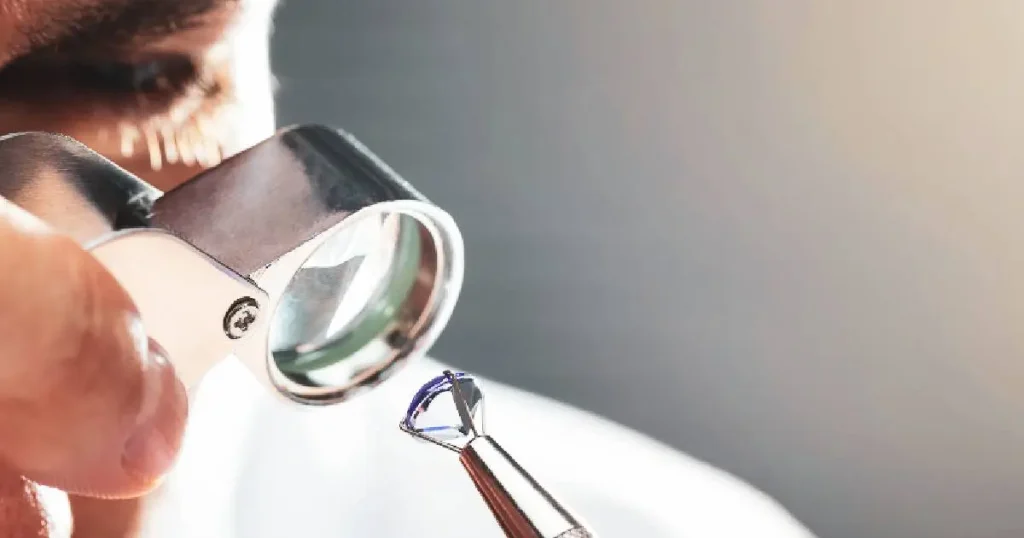
A jewelry appraisal is a professional evaluation that establishes the current market value of your item. It goes beyond a simple price estimate by examining craftsmanship, materials, gemstone quality, and market trends. A certified appraiser uses recognized standards and gemological tools to produce a detailed report containing measurements, descriptions, and photographs.
Getting a jewelry appraisal provides a comprehensive document you can rely on for insurance, resale, or inheritance purposes. Without an up-to-date jewelry appraisal, it becomes difficult to verify your piece’s value, which could lead to financial loss if damage or theft occurs. In essence, a jewelry appraisal acts as both a record of authenticity and an insurance safety net.
Why Regular Jewelry Appraisals Matter
Market conditions are never static. The values of gold, platinum, and precious gemstones fluctuate based on global demand and supply. Consequently, the figure recorded in your jewelry appraisal today might be outdated within just a few years. Insurance companies rely on these appraisals to determine coverage limits, so maintaining an updated jewelry appraisal means you are properly protected.
Many people make the mistake of assuming a one-time appraisal is sufficient. Yet, jewelry values can rise significantly over time due to market volatility and changes in gem grading standards. By having a regular jewelry appraisal, you ensure that your documentation reflects true replacement value rather than an obsolete estimate.
Recommended Frequency for Jewelry Appraisals
Experts generally recommend obtaining a jewelry appraisal every two to three years. However, the ideal frequency depends on a few key factors. If you own pieces with diamonds or coloured gemstones that experience sharp price changes, it is wise to get them reappraised more often. Similarly, if your jewelry contains gold or platinum, the annual shifts in metal markets can notably alter its replacement cost.
For insurance purposes, most companies suggest updating your jewelry appraisal every two years. Doing so prevents underinsurance, ensuring that your claims will cover the full replacement cost in case of loss. Some insurers even require fresh documentation before renewing coverage, emphasizing how vital an up-to-date jewelry appraisal is for protection.
Life Events That Trigger a New Jewelry Appraisal
Beyond routine checks, major life changes often necessitate a new jewelry appraisal. If you inherit a family heirloom, receive an engagement ring, or purchase a significant piece, you should immediately obtain an appraisal. This establishes a baseline for future evaluations and provides essential information for insurance.
Similarly, if an item has been repaired, resized, or altered, a new jewelry appraisal becomes necessary. These modifications can affect the piece’s weight, setting integrity, and appearance, all of which influence its market value. Even small changes can alter the outcome of a jewelry appraisal, making regular reviews a good habit for serious collectors and everyday wearers alike.
The Importance of a Jewelry Appraisal for Insurance Purposes
Insurance coverage based on an outdated jewelry appraisal may not be sufficient if prices surge. For example, if a diamond’s market price rises by 20 percent, an old appraisal could leave you underinsured. Insurance firms pay according to the most recent documentation provided, not the actual replacement value at the time of loss. This means any lapse in updating your jewelry appraisal could cost you thousands of pounds.
Having a professional jewelry appraisal also gives you access to replacement-value coverage instead of actual cash value coverage. Replacement value reflects today’s market, while the latter only accounts for depreciation. By submitting a current jewelry appraisal, you ensure that you receive compensation capable of replacing your piece with one of equal quality and construction.
Selecting a Qualified Jewelry Appraiser
Not all appraisers follow the same standards. When choosing someone to conduct your jewelry appraisal, look for credentials from recognized organizations such as the Gemological Institute of America (GIA) or the National Association of Jewelers (NAJ). A qualified professional will provide a detailed report including gemstone grading, metal composition, photographs, and a market analysis.
A trustworthy jewelry appraisal should be conducted in person, under proper lighting, and using precise instruments. Be cautious of appraisals that provide generic values without supporting details. A credible jewelry appraisal always explains how the value was calculated, citing comparable market data and relevant gemology references.
How Market Changes Influence Jewelry Appraisal Values
Jewelry values are driven by complex global market dynamics. Gold and platinum prices fluctuate with currency strength, inflation, and mining conditions. Gemstones such as sapphires, rubies, and emeralds can double in value depending on shifts in rarity or consumer trends. Therefore, the timing of your jewelry appraisal significantly impacts the final value.
During periods of market volatility, appraisers may recommend annual evaluations to ensure your valuations remain current. For collectors or investors, these regular jewelry appraisals are vital business tools that reflect portfolio performance. Even sentimental owners benefit from knowing that their treasured items hold secure value in changing economic conditions.
The Role of Documentation in a Jewelry Appraisal
A professional jewelry appraisal is not just a value statement; it is a formal document often required by insurers, solicitors, and jewelers. It includes a detailed description, quality grading, weight, and photographs that serve as proof of ownership. Should your piece ever be lost or stolen, this document forms the foundation for any claim or recovery process.
Keeping copies of your jewelry appraisal in secure physical and digital formats ensures that the information is accessible when needed. It can also simplify estate management or resale transactions, providing buyers and family members with confidence that the jewelry appraisal is legitimate and current.
How Repairs and Cleaning Affect Appraised Value
Maintenance can subtly influence the results of your jewelry appraisal. Polishing, prong tightening, or gemstone replacement may all affect weight, brilliance, or craftsmanship scores. After significant restoration work, always obtain a new jewelry appraisal to avoid discrepancies between the documented and actual value.
Jewelry that is well-maintained often retains or even increases in appraised worth, as its condition plays an important role in valuation. An appraiser takes into account signs of wear or damage, so protecting your pieces and getting them regularly cleaned can positively affect your next jewelry appraisal.
When to Seek a Specialist Jewelry Appraisal
Some items require the attention of a specialist rather than a general appraiser. Antique jewelry, designer pieces, and rare gemstones demand expertise in niche markets. If you own a signed Victorian brooch or an Art Deco ring, a specialized jewelry appraisal ensures authenticity verification and historical accuracy. These experts understand nuances in craftsmanship and provenance that could make a significant difference in appraised value.
For contemporary pieces from luxury brands, an independent jewelry appraisal provides an unbiased valuation separate from retail pricing. This distinction is valuable for those who wish to understand the true market position of their items beyond brand perception or emotional value.
The True Cost of Neglecting Jewelry Appraisal Updates
Neglecting periodic jewelry appraisal updates can lead to expensive consequences. Without current values, you risk being underinsured or overpaying for premiums based on outdated figures. Jewelry could also depreciate unnoticed, leading to misplaced expectations if sold or inherited. A timely jewelry appraisal safeguards against these pitfalls, ensuring your financial and emotional investment remains secure.
Ultimately, staying proactive with your jewelry appraisal routine is not merely about paperwork—it is about preserving value, authenticity, and peace of mind. Whether your collection is modest or extensive, it deserves the same level of care and accuracy afforded to any other valuable asset.
To summarise, jewelry should be appraised every two to three years, or sooner when major market or life changes occur. Each jewelry appraisal serves as a snapshot of current value, capturing essential details that protect your investments and memories. By keeping your jewelry appraisal current, you ensure that your insurance coverage remains accurate, your documentation remains credible, and your cherished pieces continue to shine in both beauty and worth.