When it comes to understanding the true worth of your precious pieces, a jewelry appraisal is more than just a document — it’s a trusted record that safeguards your investment. Whether you own heirloom jewellery passed down for generations or a recent diamond purchase, knowing how to choose a reliable professional is essential. A proper jewelry appraisal ensures your items are accurately valued for insurance, resale, or estate purposes. Let’s explore how to find the right appraiser and what to look for when getting your jewelry evaluated.
1. Understanding What a Jewelry Appraisal Is
Before you start searching for an appraiser, it’s important to understand what a jewelry appraisal actually involves. A jewelry appraisal is a formal process where a qualified expert inspects, tests, and evaluates your jewelry to determine its market or replacement value. This document usually includes detailed descriptions, gemstone weights, metal types, quality grades, and photos. A good jewelry appraisal should be clear, accurate, and accepted by insurance companies or legal entities.
Knowing what to expect from the process helps you make informed decisions and identify whether an appraiser is truly professional or not.
2. Why You Need a Jewelry Appraisal
A jewelry appraisal serves many purposes beyond just satisfying curiosity about your collection’s worth. Most people need appraisals for insurance coverage, estate settlements, or resale transactions. If your valuable jewelry is ever lost, stolen, or damaged, an updated jewelry appraisal ensures you receive fair compensation from your insurance company.
Additionally, a jewelry appraisal helps prevent under- or over-insuring your items. An accurate, up-to-date valuation reflects current market trends and metal prices, giving you peace of mind that your treasures are properly protected.
3. Look for Professional Credentials and Training
When choosing someone for your jewelry appraisal, always check their professional background and credentials. Qualified appraisers often hold certifications from reputable institutions such as the Gemological Institute of America (GIA), the National Association of Jewelry Appraisers (NAJA), or the American Society of Appraisers (ASA).
These credentials indicate the appraiser has undergone rigorous training in gemology and valuation methods. A certified expert not only understands gemstones and metals but also stays current with market standards and ethical practices. Choosing someone with proper credentials ensures that your jewelry appraisal is credible and widely accepted.
4. Evaluate Their Experience and Specialisation
Experience plays a key role in the accuracy of a jewelry appraisal. Ask how long the appraiser has been in the industry and whether they specialise in certain types of jewelry, such as antique pieces, diamonds, or luxury brands. An experienced appraiser knows how to identify subtle differences in craftsmanship, hallmark stamps, and gemstone grading that can significantly affect your item’s value.
A well-seasoned professional can also explain their valuation process transparently, ensuring you understand how your jewelry appraisal figure is determined. Always look for a balance of expertise, honesty, and attention to detail when choosing an appraiser.
5. Ask About Their Appraisal Process
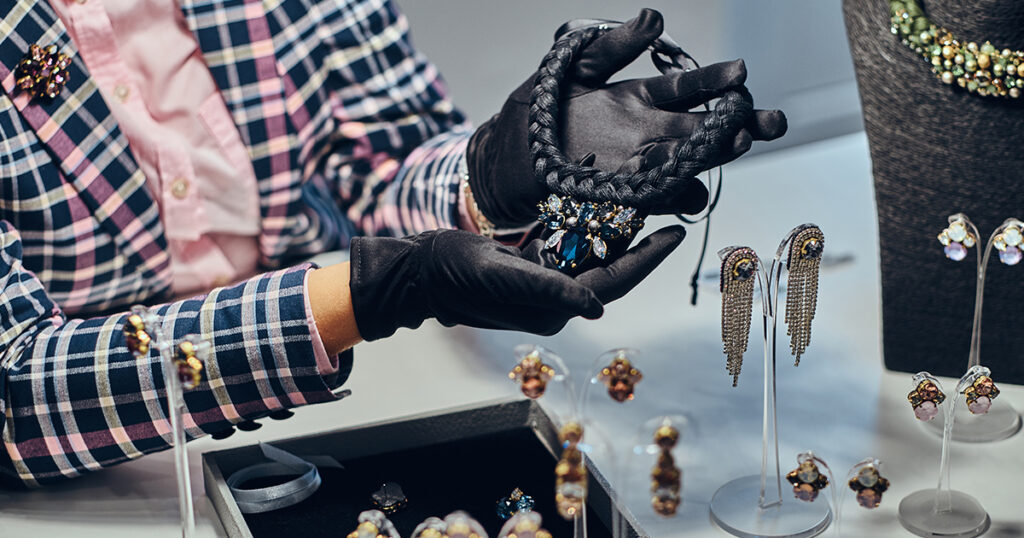
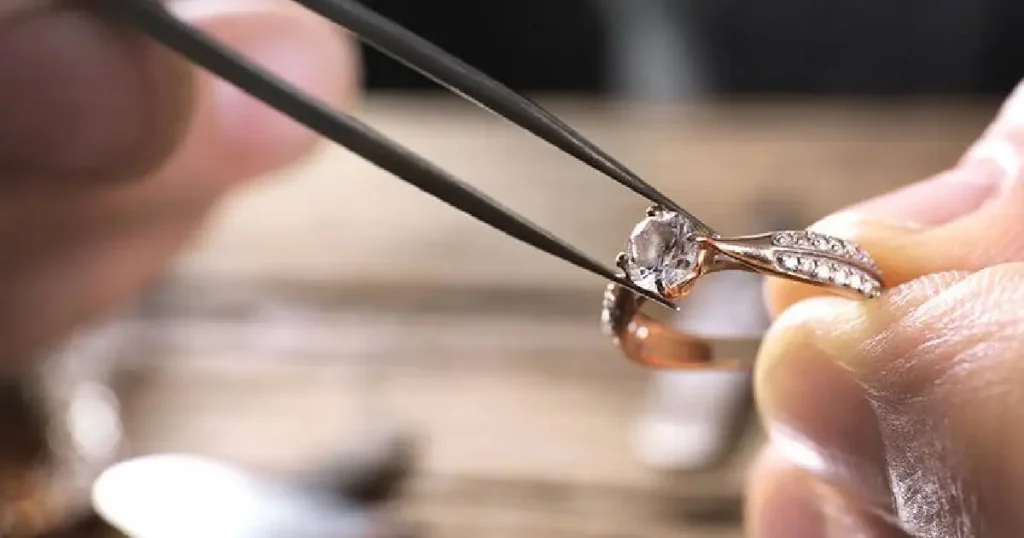
A reputable jewelry appraisal involves more than a quick glance at your jewelry. Ask potential appraisers about the methods they use to assess quality, weight, and authenticity. Professionals often use gemological tools like microscopes, scales, and refractometers to evaluate gemstones and metals accurately.
They should also provide a written report that includes photographs, detailed descriptions, and valuation methods used. A transparent and well-documented jewelry appraisal not only boosts your confidence but also ensures your insurance company accepts it without dispute.
6. Check for Independence and Objectivity
Independence is a crucial factor when selecting someone for a jewelry appraisal. Avoid appraisers who are directly connected to jewelry retailers or buyers, as they may have a vested interest in the valuation outcome. The most trustworthy appraisers operate independently and do not buy or sell jewelry as part of their service.
An unbiased jewelry appraisal ensures your valuation reflects the true market worth — not an inflated or reduced price meant to influence a potential sale or purchase. Always ask if the appraiser receives commissions or works independently before hiring them.
7. Review Client Feedback and Reputation
Before committing to a jewelry appraisal, take time to research the appraiser’s reputation. Look for online reviews, testimonials, or references from past clients. Positive feedback and consistent ratings are good indicators of reliability and professionalism.
If possible, ask friends or local jewelers for recommendations. A reputable jewelry appraisal professional should have a solid track record of accuracy, transparency, and excellent customer service. Avoid individuals with vague credentials or poor communication — trust and clarity are key when dealing with valuable items.
8. Understand the Fees and What’s Included
A trustworthy jewelry appraisal service will clearly outline its fees upfront. Appraisers typically charge by the hour, per piece, or based on the complexity of the evaluation — but never as a percentage of the item’s value. Charging a percentage can be considered unethical since it may create a conflict of interest.
When getting quotes, ask what’s included in the price — for example, the inspection, documentation, and any photographs. Understanding how the jewelry appraisal fee is structured helps you avoid hidden costs and ensures you get value for your money.
9. Verify the Report’s Format and Accuracy
The final jewelry appraisal report should be well-organized, detailed, and easy to understand. It must include essential information such as gemstone identification, metal type, weight, colour, clarity, cut grade, and overall craftsmanship. A high-quality report should also mention the purpose of the appraisal — whether it’s for insurance, estate, or resale.
If your jewelry appraisal lacks sufficient detail, it may not be accepted by insurers or could result in disputes later. Always review the document carefully and request clarification if anything is unclear or incomplete.
10. Keep Your Appraisals Updated Regularly
Jewelry values fluctuate with market conditions, metal prices, and gemstone trends, which is why keeping your jewelry appraisal updated is essential. Experts recommend reviewing appraisals every two to three years, especially if you have valuable pieces like diamonds or gold jewelry.
An updated jewelry appraisal ensures your insurance coverage remains accurate and prevents potential losses due to outdated valuations. Regular updates also help track the long-term worth of your collection and make estate planning easier.
11. The Importance of Trust and Communication
Trust and communication are the foundation of a reliable jewelry appraisal experience. A good appraiser should be approachable, transparent, and willing to explain each step of the process. They should make you feel comfortable asking questions about how your jewelry is being evaluated and what factors influence its value.
When you establish a trusting relationship, your jewelry appraisal becomes more than a transaction — it becomes a long-term partnership that helps protect your assets and ensures peace of mind.
12. Final Thoughts- Finding the Right Jewelry Appraisal Expert
Choosing a trusted professional for your jewelry appraisal takes time and research, but it’s well worth the effort. Look for credentials, experience, independence, and transparency when making your decision. Remember that a quality appraisal isn’t just about assigning a number; it’s about providing an accurate reflection of your jewelry’s value and significance.
A reliable jewelry appraisal expert helps you protect your investment, ensures fair insurance coverage, and provides documentation that stands the test of time. By following these guidelines, you can confidently select a professional who treats your treasures with the respect and accuracy they deserve.